A Return to the Roots of MapleStory
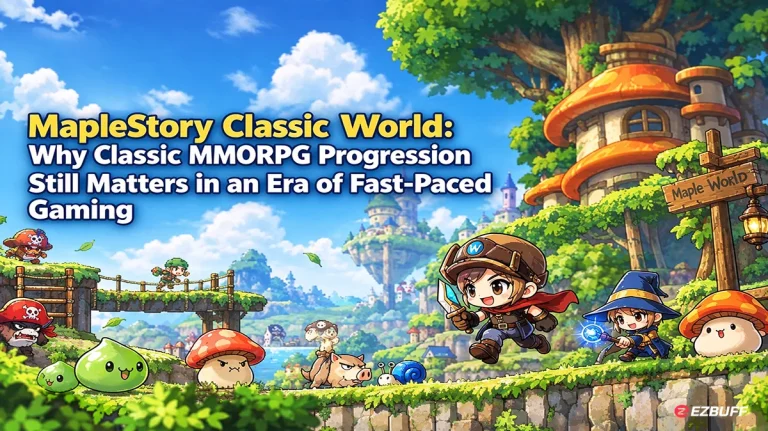
Modern MMORPGs often compete to offer faster leveling, streamlined quests, and increasingly complex progression systems. Yet there is still something appealing about a game that encourages players to slow down, explore unfamiliar maps, team up with friends, and work toward meaningful rewards. MapleStory Classic World represents the appeal of that older style of online gaming, where the journey can be just as important as reaching the destination.
For longtime MapleStory fans, the classic experience brings back memories of challenging training sessions, memorable towns, familiar monsters, and the satisfaction of earning each new level. For newcomers, it offers a different perspective on MMORPG design, emphasizing patience, cooperation, and long-term character development rather than constant rewards.
What makes this style of gameplay interesting is how closely its systems connect. Leveling affects which areas players can explore, equipment influences combat efficiency, and the in-game economy shapes how easily characters can prepare for their next challenge. Understanding these relationships is essential for anyone who wants to get more out of the MapleStory Classic World experience.
Why the Classic MMORPG Formula Still Works
One of the strongest aspects of classic MMORPG design is that progression feels earned. Defeating monsters, completing quests, collecting equipment, and saving resources all contribute to a character’s development. Instead of quickly moving through a series of disposable activities, players gradually become familiar with the world and its challenges.
This approach also gives ordinary gameplay activities more significance. A training session can become an opportunity to collect useful drops. A trip to town can involve comparing equipment, selling unwanted items, or checking whether a planned upgrade is affordable. Even a short gaming session can contribute to a longer-term objective.
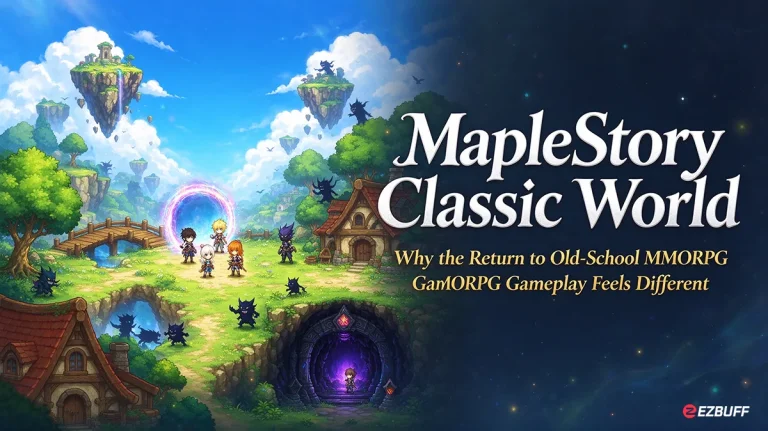
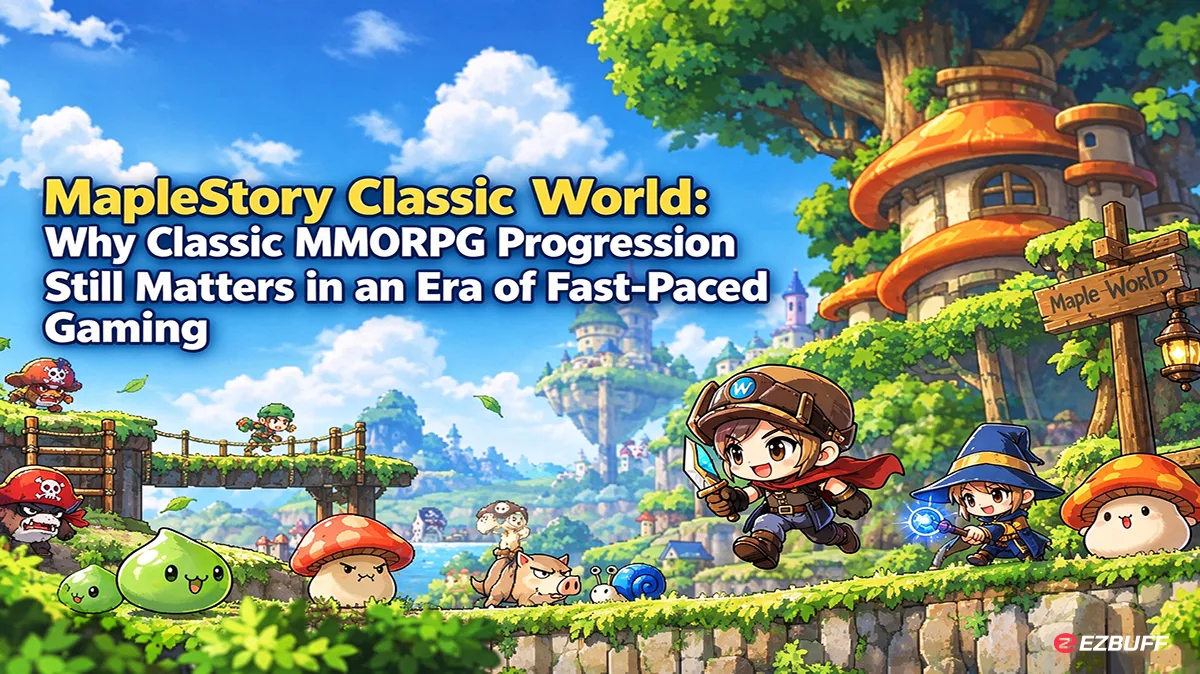
MapleStory’s distinctive visual style reinforces this experience. Its colorful environments, recognizable monster designs, and character customization offer a contrast to the darker aesthetic of many contemporary online RPGs. The result is a world that feels approachable without necessarily making progression effortless.
For returning players, nostalgia may be the initial attraction, but the deeper appeal comes from rebuilding familiar routines and discovering how different systems fit together. For newer players, the slower pace can provide a refreshing alternative to games that constantly direct attention toward the next objective.
Mesos and the Importance of Managing Your In-Game Economy
In MapleStory, Mesos play a central role in everyday progression. They connect combat, equipment management, trading, and preparation for future content. Players who understand how to manage their currency often have more flexibility when deciding which upgrades to pursue and which expenses to postpone.
However, accumulating Mesos is not simply about defeating as many monsters as possible. Efficiency depends on several factors, including character level, damage output, map layout, available resources, and the value of items obtained during training.
A practical approach starts with choosing activities that suit the character rather than following a farming strategy designed for a much stronger character. Spending too much time on difficult monsters can reduce overall efficiency, especially when frequent potion use or repeated defeats consume the rewards earned.
Inventory management is another important consideration. Equipment and other drops may have different levels of usefulness depending on the character’s build and immediate goals. Learning what to keep, what to sell, and what can be replaced helps prevent unnecessary expenses.
Players should also establish priorities before making major purchases. An upgrade that improves combat efficiency may be more valuable than an attractive item that offers little practical benefit. Similarly, maintaining enough currency for routine expenses can prevent an otherwise successful progression session from becoming unnecessarily expensive.
These small decisions gradually create a more stable economic foundation. Rather than treating Mesos as a number that should constantly increase, experienced players view them as a resource that supports the next stage of character development.
Leveling, Equipment, and Resource Planning Work Together
Character progression is most effective when leveling and resource management are treated as connected systems.
First, players should identify a realistic training goal. This might involve reaching the next level, unlocking a new skill, preparing for a more demanding area, or improving the character’s ability to defeat a particular group of monsters.
Next, equipment should be evaluated according to that goal. Not every available upgrade deserves an immediate investment. If a character can comfortably defeat current enemies, saving for a more meaningful improvement may be preferable to spending currency on a minor increase in power.
Consumables also deserve attention. Potions and other useful supplies can influence how long a character remains in the field before returning to town. Preparing an appropriate supply before a training session reduces interruptions and makes it easier to maintain a consistent routine.
Finally, players should review the results of their activities. Which maps offered comfortable combat? Which monsters produced useful drops? Did equipment repairs, consumables, or other expenses outweigh the benefits of the session? Answering these questions helps players refine their approach over time.
This process may sound simple, but it reflects one of the enduring strengths of classic MMORPGs: progress comes from understanding the game rather than relying on a single shortcut.
The Social Side of Classic MapleStory
An MMORPG is more than a collection of progression systems. Its community can shape the experience just as much as its combat and economy.
Classic-style gameplay encourages players to exchange information, compare training locations, discuss equipment choices, and help one another overcome difficult encounters. Party play can also make certain activities more engaging by allowing players with different abilities to contribute to a shared objective.
The economy creates additional opportunities for interaction. Trading and market activity can connect players who specialize in different aspects of the game. Someone focused on leveling may value a reliable source of equipment, while another player may spend more time collecting items or researching market prices.
This creates a broader gameplay loop in which individual decisions affect more than one character. Learning how other players approach the economy can reveal useful strategies, but it is still important to evaluate advice in the context of the current game version and its actual mechanics.
For players who enjoy MMORPGs as social spaces, this sense of interdependence is an important part of the classic experience. Progress feels more meaningful when it is supported by shared knowledge and occasional cooperation.
Is It Worth Looking for Ways to Save Time?
Not every player has the same amount of time available for gaming. Some enjoy spending hours farming, while others prefer to focus on quests, character builds, exploration, or playing with friends after work or school.
This difference makes convenience a relevant topic in discussions about classic MMORPGs. Players may look for better farming routes, more efficient equipment choices, or ways to reduce repetitive preparation. The important distinction is between improving a routine and overlooking the risks associated with shortcuts.
For most players, starting with in-game methods is a sensible approach. Learning efficient training routes, monitoring expenses, and setting realistic upgrade goals can make progression more manageable without changing the nature of the experience.
Players who consider third-party marketplaces should take additional care. Before choosing a service, they should review the game’s current rules, verify whether the proposed transaction is permitted, and understand the risks of scams, account penalties, or compromised account information. Convenience is rarely worth putting a character or account at unnecessary risk.
For those researching external options, EZBUFF is one name that may appear during searches related to gaming currencies and progression resources. Anyone considering a service such as EZBUFF should independently verify its current offerings, transaction terms, security practices, and compatibility with the game’s rules before making a decision. Availability and policies can change, so it is better to check current information than rely on assumptions.
Players searching for Buy MapleStory Classic World Mesos should approach the decision with the same practical mindset they would use when evaluating an equipment upgrade: understand the cost, consider the potential benefits, and weigh those benefits against the risks. An informed decision is more valuable than a rushed purchase.
What MapleStory Classic World Says About the Future of MMORPGs
The renewed interest in classic-style online RPGs highlights an important question for the genre: does progression need to be fast to remain engaging?
The answer depends on what players want from their games. Some prefer rapid access to endgame activities, while others enjoy the gradual development of a character and the relationships formed along the way. Classic MMORPGs appeal to the latter group by making time, preparation, and familiarity meaningful parts of the experience.
That does not mean every traditional mechanic is automatically better. Slow progression can become repetitive, and poorly balanced economies can create unnecessary frustration. Successful classic experiences need to preserve the satisfaction of earning rewards while giving players enough meaningful choices to maintain their interest.
MapleStory Classic World is compelling as a concept because it draws attention to the foundations of the MMORPG experience: exploration, character identity, economic decisions, and community participation. Its long-term appeal will depend on how well those elements work together and how effectively the game supports both returning fans and new players.
For anyone interested in this style of gaming, the best approach is to treat progression as a process rather than a race. Learn the maps, understand the economy, invest in useful equipment, and make each training session serve a clear purpose.
Mesos can help support that journey, but they are only one part of the larger experience. The real attraction of a classic MMORPG lies in watching a character develop over time and gradually becoming part of a world that rewards knowledge, patience, and persistence.