When the game launched, much of the conversation was about what Blizzard had built and what still needed fixing. Years later, the discussion has become much broader. With Diablo IV: Lord of Hatred now part of the game and BlizzCon returning on September 12–13, the real question is no longer simply where Diablo 4 is going next.
It is whether Blizzard has finally found a long-term formula for keeping Sanctuary interesting without losing the identity that made Diablo special in the first place.
That makes BlizzCon 2026 particularly interesting.
A Very Different Diablo 4 Than the One We Started With
The biggest change is obvious to anyone who has spent serious time with the game.
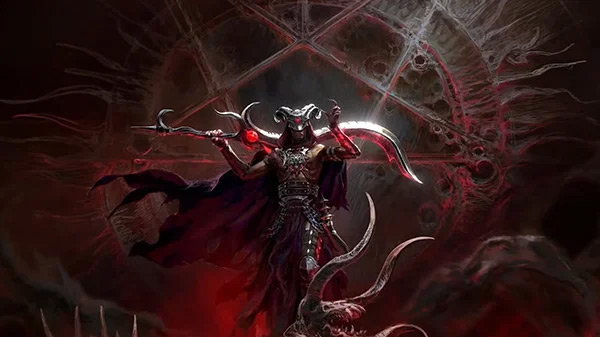
Diablo 4 is no longer just the launch version of Blizzard’s dark fantasy action RPG. The arrival of Lord of Hatred expanded the game’s story and systems while introducing new playable options, including the Paladin and Warlock. The expansion also pushed the narrative toward the Skovos Isles and the continuing conflict surrounding Mephisto.
That matters because Diablo has always depended on two things working together: atmosphere and progression.
The atmosphere gets players through the first few hours. The progression system is what keeps them playing for hundreds of hours.
Blizzard has spent much of Diablo 4’s life adjusting that second part. Seasons, builds, endgame activities, gear systems and class balance have all become part of a much larger conversation about what an ARPG should actually look like in the modern live-service era.
And that conversation is bigger than Diablo.
The Live-Service Problem Is Changing
One of the more interesting trends across the 2026 gaming industry is that players appear less interested in simply having more content.
They want meaningful content.
That sounds like a small distinction, but it is important for a game such as Diablo 4. A new season can add activities, items and balance changes, but players eventually ask the same question: Why should I keep playing this particular character after I have already solved the build?
That is where Blizzard has an opportunity.
The future of Diablo 4 does not necessarily need to be about constantly making numbers bigger. It could instead be about making the decisions around those numbers more interesting.
Build identity, meaningful loot choices, difficult encounters and reasons to experiment can potentially create more long-term engagement than simply adding another layer of power.
For players who spend a lot of time experimenting with builds, this is arguably more important than another flashy trailer.
Why BlizzCon 2026 Matters
BlizzCon is returning to Anaheim on September 12–13, marking Blizzard’s major return to its traditional fan convention after its 2025 absence. Diablo is expected to be one of the major franchises discussed, although Blizzard has not confirmed every rumored announcement circulating before the event.
That distinction is worth keeping in mind.
There has been plenty of speculation about Blizzard’s future plans, including possible new Diablo content and broader franchise projects. Some reports and predictions even suggest that Blizzard could use the event to discuss the next stage of Diablo beyond the current Diablo 4 roadmap.
But until Blizzard actually announces something, those ideas should remain speculation.
For players, the more interesting question is what kind of message Blizzard wants to send.
Does Diablo remain primarily a seasonal ARPG? Does it move further toward a large-scale long-term platform? Or does Blizzard begin laying the groundwork for whatever eventually comes after Diablo 4?
Those are very different strategies.
The Bigger Trend: Games Are Becoming Long-Term Worlds
This is where Diablo 4 becomes interesting beyond Diablo itself.
Modern games increasingly exist as evolving platforms rather than finished products. Players expect new seasons, expansions, balance changes, events and systems. At the same time, they have become more selective about where they spend their time.
That creates a difficult balance.
A game has to provide enough change to remain interesting without changing so much that returning players feel lost.
Diablo is particularly vulnerable to this problem because repetition is already part of its design. Killing monsters, collecting loot and improving a character is intentionally repetitive. The fun comes from making that repetition feel rewarding.
When the reward structure works, running another dungeon can feel strangely addictive.
When it does not, the same dungeon can feel like work.
That is why the future of Diablo 4 should probably be judged less by the number of new features Blizzard announces and more by how those features affect the basic gameplay loop.
What I Want to See From Diablo 4 Next
If I were putting together a wishlist for the next phase of Diablo 4, I would not start with bigger damage numbers or another giant collection of items.
I would start with build diversity.
One of the best things about Diablo is discovering a strange interaction that actually works. Maybe a skill nobody was using suddenly becomes the centerpiece of a build. Maybe an unusual combination of legendary effects turns a familiar class into something completely different.
Those moments create stories.
The second priority would be meaningful endgame choices. Players should have reasons to choose one activity over another based on what they want to accomplish, rather than simply following whichever activity produces the most efficient rewards.
And finally, Diablo needs to preserve its atmosphere.
This sounds obvious, but it is easy for a long-running live-service game to become too focused on systems, numbers and optimization. The dark world of Sanctuary is still one of Diablo’s biggest strengths. The feeling of entering a dangerous dungeon with an imperfect build is part of what separates Diablo from a spreadsheet disguised as an RPG.
Where EZBUFF Fits Into the Conversation
For players who spend a lot of time with character progression, gear upgrades and build experimentation, the economy surrounding an ARPG is also part of the experience.
That is one reason communities continue to discuss efficient progression, item priorities and different ways of preparing characters between major content updates. Sites such as EZBUFF can be useful as part of that broader player conversation, particularly for people who want to compare progression options rather than simply follow whatever build happens to be trending.
The important thing is that the game itself should remain the center of the experience.
A Diablo community works best when players are talking about builds, bosses, loot, strange drops and those ridiculous moments when a character suddenly becomes much stronger than expected.
The Next Chapter Is More Interesting Than the Next Announcement
The return of BlizzCon gives Blizzard an unusually large stage.
But I do not think the most important Diablo story is necessarily going to be one giant announcement.
The more interesting story is whether Blizzard can demonstrate that it understands what long-term Diablo players actually want in 2026.
Diablo 4 has already gone through several stages: launch controversy, system revisions, seasonal experimentation, major expansions and a much larger endgame ecosystem. Now the game is entering the phase where its long-term identity matters more than its initial reputation.
That is a fascinating position to be in.
BlizzCon 2026 could provide the next major piece of that puzzle. Whether Blizzard announces another expansion, a new direction for seasonal content, broader plans for the franchise, or simply continues refining the existing game, the real test will be the same:
Can Diablo keep giving players a reason to return to Sanctuary without making the experience feel like a checklist?
If Blizzard gets that balance right, Diablo 4 may have a much longer second life ahead of it.
And honestly, that is probably the Diablo story worth watching in 2026.